SPECIES & CARE
Budgerigar
The Budgerigar is a small Australian parakeet with a long tail, lively flock behaviour and an unexpectedly rich capacity for learning. Its modest size still calls for flight, companionship, suitable nutrition and daily enrichment.
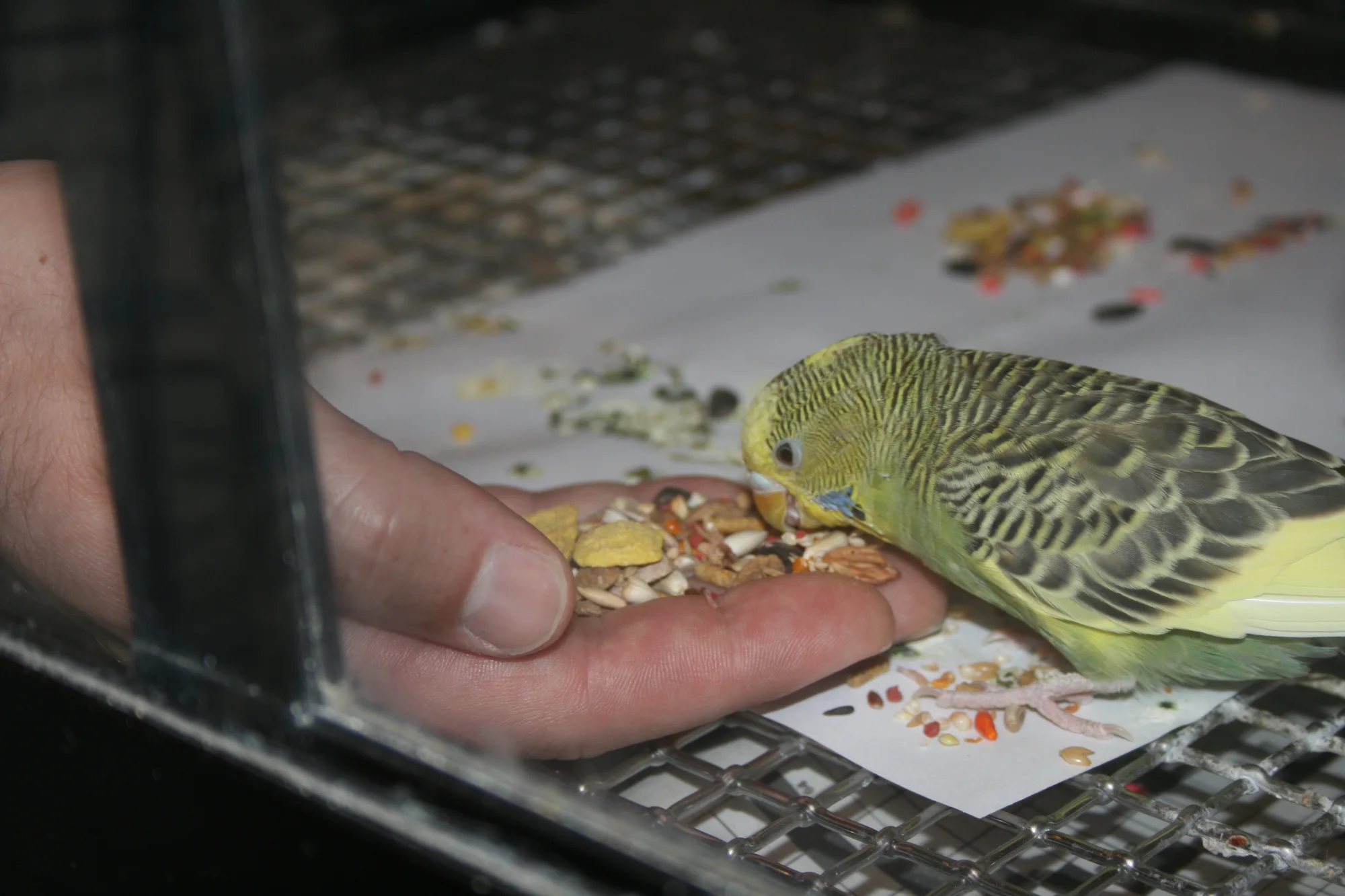
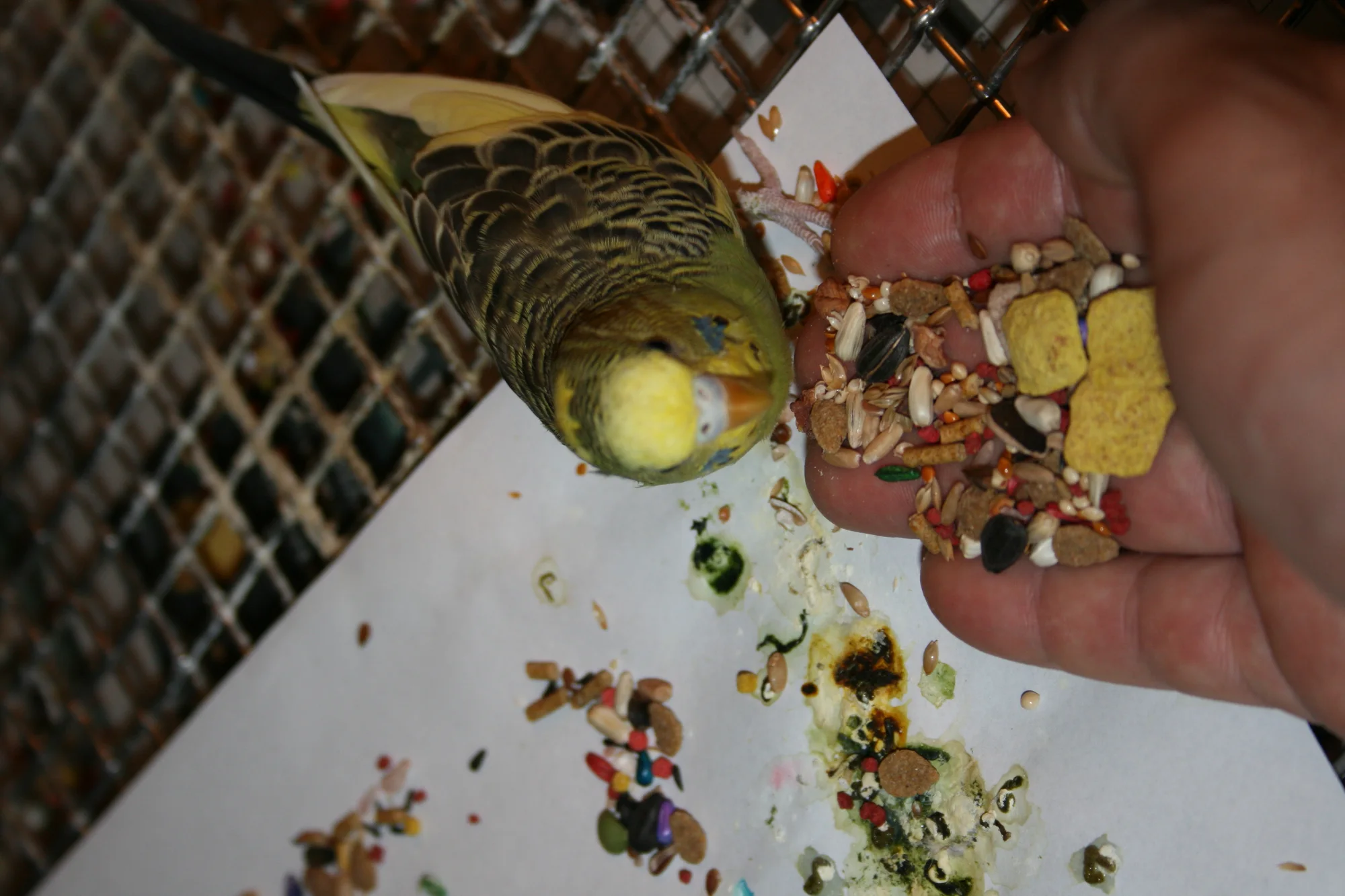
Overview and appearance
Budgerigars are small, slender parakeets with a long tail and fine barring across the head and wings. Wild-type birds are green and yellow, while selective breeding has produced many colour varieties. The cere above the beak can help with sex identification, but appearance can be less clear in young birds and some colour forms.
Native to Australia, budgies are naturally social and active. They use flight, calls and close observation to interact with their surroundings. Captive birds need room to move, opportunities to forage and a safe social environment; their small size does not make companionship optional.
Personality and social needs
Budgerigars are often curious, alert and communicative. Individuals may be more comfortable with people, other budgies or a mixture of social experiences. Allow a new bird time to settle and build trust gradually; chasing or grabbing can make handling frightening rather than familiar.
As flock-oriented birds, they need meaningful social contact. If kept alone, they require regular interaction and enrichment from their people; if housed with another budgie, monitor compatibility and provide enough resources. A companion does not remove the need for daily observation and care.
Typical adult size
A typical budgerigar measures about 18 cm from head to tail and often weighs around 30–40 g, although size varies with build and variety. A spacious enclosure should prioritise usable horizontal flight space, safe bar spacing and multiple perches rather than decorative clutter.
Expected lifespan and long-term care
Many companion budgies live around 7–12 years, but an individual’s lifespan varies. Plan for care over years, including safe housing, companionship and access to an avian veterinarian. A small bird can still depend on its keeper every day.
Talking and vocalisation
Budgies often chatter, chirp and whistle throughout the day. Some learn to imitate words or sounds, but speech depends on the individual and is never guaranteed. Flock calls and lively conversation are normal behaviours, so consider whether their frequent vocal activity suits the home.
Intelligence and reward-based training
These intelligent small parrots can learn through patient, reward-based interaction. Offer target training, gentle step-up practice and simple foraging challenges. Speak softly, keep sessions short and stop if the bird appears uncomfortable. Learning is enrichment, not a test of whether the bird is tame or valuable.
Diet and nutrition
Use a balanced species-appropriate diet, often based on suitable formulated food with a variety of fresh vegetables and some appropriate seed. Avoid relying entirely on a seed mix. Ask an avian veterinarian about the bird’s current diet, body condition and gradual transitions rather than following a one-size-fits-all ration.
Housing, exercise and enrichment
Allow safe flight and movement in a bird-proofed space, with natural-looking perches, chewable materials and opportunities to search for food. Check bar spacing and toys carefully; small birds can become entangled in loose fibres or unsafe attachments. Keep the enclosure clean and provide undisturbed rest.
Suitability and questions before choosing
Budgerigars can suit a range of households willing to provide daily care, but they are not disposable starter pets. Their social needs, noise and sensitivity deserve respect. Children should learn calm observation and interact only with an adult supervising, while the bird has somewhere quiet to retreat.
Ask about the bird’s age, diet, social history and comfort with handling. Consider whether you can provide a companion or regular interaction, safe flight space and ongoing care. Confirm individual availability directly; this guide does not imply a budgerigar is currently in stock.
CURRENT BIRDS · DETAILS BY ENQUIRY
Ask which Budgerigar birds are available
Could you tell me whether a Budgerigar is currently available and describe its age, diet and social history?